
Regents of the University of California at Berkeley
Regents of the University of California at Berkeley
Validating magnetic susceptibility as a biomarker for iron-related oxidative stress and white matter changes in AD
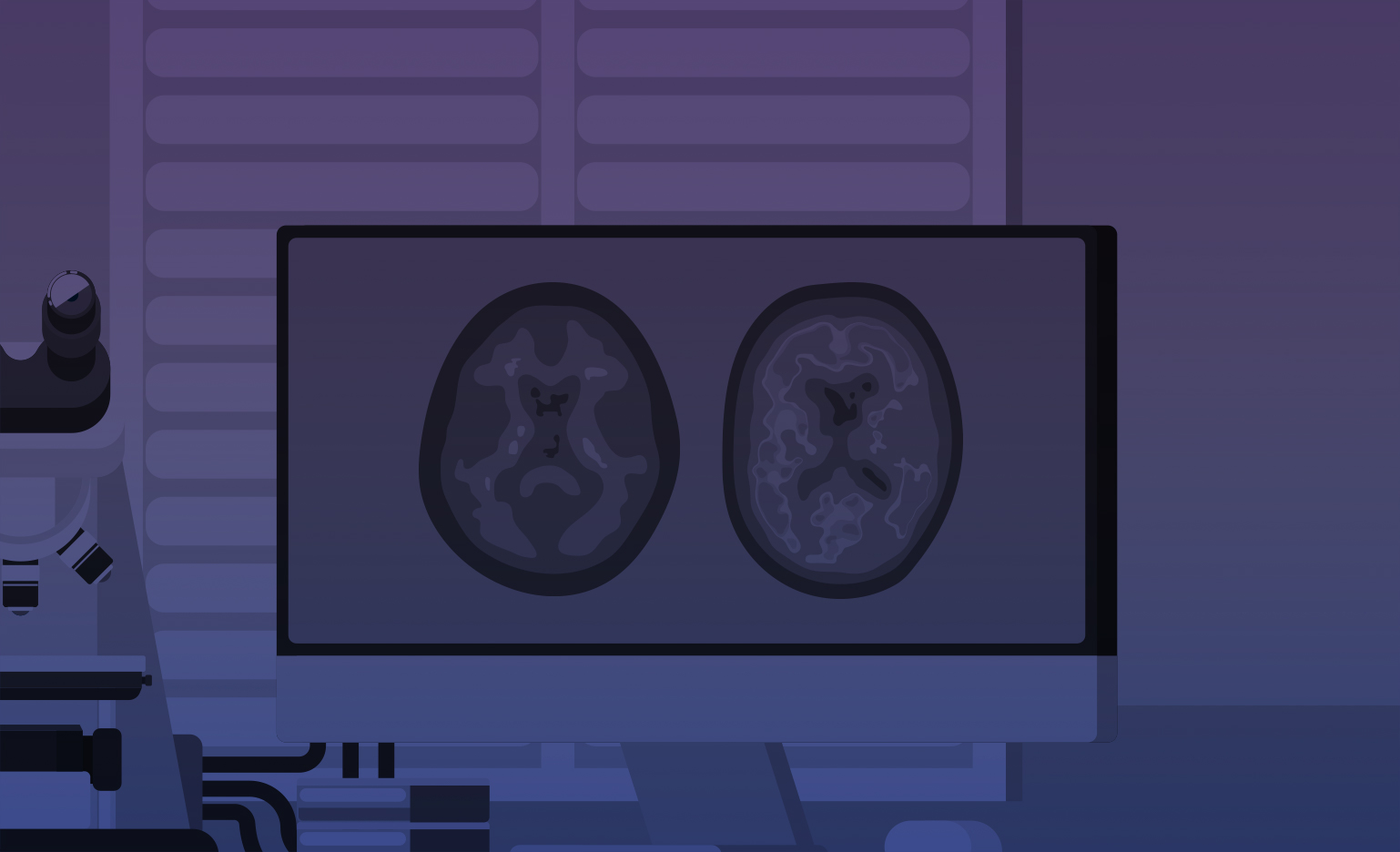
Alzheimer’s disease (AD) is diagnosed mostly based on clinical symptoms including memory loss. Pathologically, AD is associated with aggregation of amyloid-beta and tau proteins. However, the presence of these proteins in the brain by itself is not sufficient to indicate AD nor predicts its progression. For instance, cognitive-normal elders may also carry high levels of amyloid-beta and tau in the brain. Therefore, identifying and developing methods to measure markers that can characterize other aspects of the disease is needed. The purpose of this project is to evaluate if magnetic susceptibility of the brain can serve as a marker for oxidative stress and white matter changes. Oxidative stress is an imbalance between the production of reactive oxygen species and the detoxification of the reactive intermediates. Oxidative stress causes extensive damage to lipids, proteins and DNA in the brains of AD patients, which may manifest as changes of magnetic susceptibility of the brain tissues. Magnetic susceptibility can be measured by MRI non-invasively and MRI is widely accessible to the clinics, thus making it a highly attractive potential marker. We will test the hypothesis systematically from the cellular level to the whole brain. If successful, the proposed approach can be readily translated to the clinics for aiding diagnosis and for monitoring treatment effects.
 grants@alzdiscovery.org
 212.901.8000